The decoration method affects how your merch looks, how long it lasts and what it costs. Because we run every method in-house in Mumbai, we don't have a favourite to push — here's how we actually decide.
Quick comparison
| Method | Best fabric | Colours | Best quantity | Feel |
|---|---|---|---|---|
| DTF | Cotton, polyester, blends | Unlimited | Any, including 1-offs | Smooth, slightly raised |
| Screen print | Cotton, blends | 1–5 ideal | 100+ | Soft; puff option is raised |
| Sublimation | Polyester (light colours) | Unlimited | Jerseys, all-over prints | No feel — dyed into fabric |
| Vinyl | Most fabrics | 1–3 per design | Names, numbers, small runs | Smooth; foil / reflective finishes |
| Embroidery | Polos, caps, hoodies, jackets | Several thread colours | Any | Textured, premium |
DTF (direct to film)
DTF prints your artwork onto a special film with adhesive powder, which is then heat-pressed onto the garment. It reproduces gradients and fine detail on almost any fabric, and since there's no screen setup, each shirt can be different — perfect for committee tees with individual names or colourful corporate logos.
Screen printing
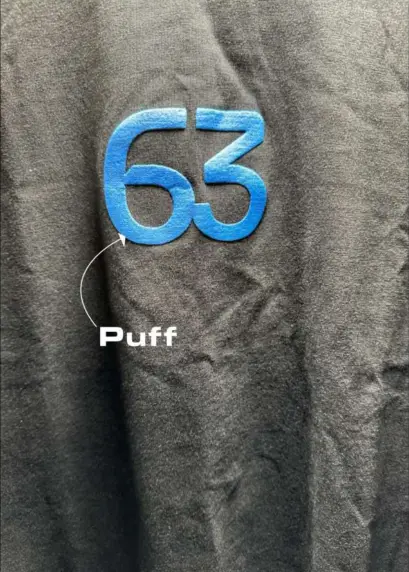
Ink is pushed through a mesh screen, one screen per colour. Setup takes time, but once it's done each additional print is fast and cheap — which makes screen printing the most economical choice for large runs with 1–5 colours. Layering ink several times creates puff print, a raised 3D effect that feels premium.
Sublimation
Special dyes are printed onto paper, then heat turns them into gas that bonds with polyester fibres. The design becomes part of the fabric: it can't crack, peel or fade, and there's no limit on colours. That's why every professional-style jersey is sublimated. It only works on polyester and light base colours.
Vinyl
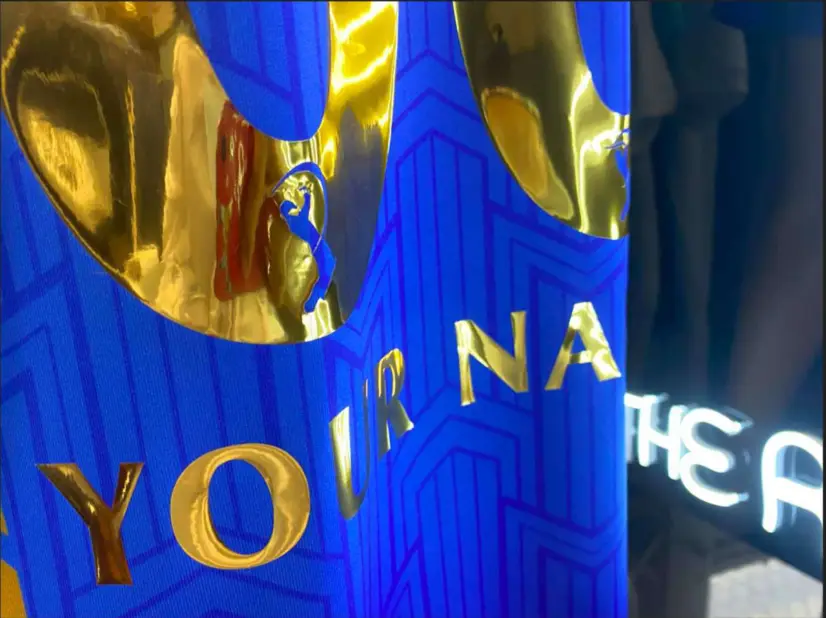
Coloured or special-effect vinyl is laser-cut into your design and heat-pressed on. It's ideal for names and numbers and for finishes nothing else can do: gold and silver foil, reflective, rubber, glow-in-the-dark and holographic.
Embroidery
Your logo is converted into a stitch file and sewn with thread. Embroidery is the classic choice for polos, caps, shirts and hoodies because it looks premium and outlasts the garment. Price depends on stitch count, size, number of colours and quantity. More on embroidery.
So which should you choose?
- Team jerseys: sublimation (+ vinyl for special names).
- Corporate polos: embroidery on the chest; print for large back designs.
- Fest or event tees, 100+ pieces, simple design: screen print.
- Full-colour logos or different names on each shirt: DTF.
- Premium streetwear drop: screen print on 240 GSM oversized cotton.
Still unsure? Send us your artwork — we'll recommend a method and show a mockup.
FAQ
Is DTF better than screen printing?
DTF is better for full-colour designs, small quantities and personalised prints. Screen printing is cheaper for large runs of simple 1–5 colour designs and offers puff effects.
Does sublimation work on cotton?
No. Sublimation only bonds with polyester and works best on white or light fabrics, which is why it's used for jerseys and sportswear.